
Why I Stayed in a Toxic Relationship: The Honest Answer
People ask why you stayed. Most answers skip the hard parts. Here is the truth about trauma bonding, shame, and the good days that made leaving feel impossible.
 By Veronique Eloise
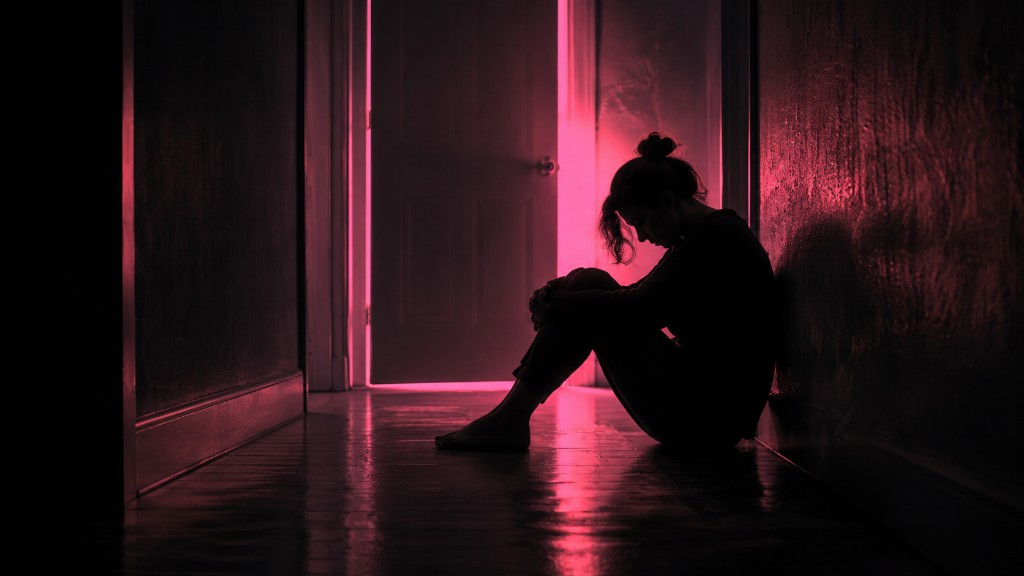
The night he threw my phone across the room, I told myself he was stressed. The promotion had not come through. His mother was sick. I had brought it up at the wrong time. I wrote the story for him before he even finished breathing.
That is where I want to start. Not with a textbook definition of trauma bonding. Right there, in that moment, because that is where the real answer to why I stayed in a toxic relationship actually lives. The answer is not in a psychology article. It is in the story I kept telling myself so I did not have to feel what was happening.
Trauma bonding felt like love
When someone hurts you and then holds you, your nervous system does not file those two things separately. It fuses them. The relief after the apology, the tenderness, the version of him who seemed to hate himself for what he did, felt so physical that it started to read as love.
I am not saying that to excuse anything. I am saying nobody told me this was something bodies do. I thought I was weak. I thought I kept going back because something was wrong with me. I was responding the way a human body responds to intermittent pain and reward. Understanding that did not make the relationship okay. It made the pattern easier to name.
I had too much invested to admit I was wrong
Four years. I had given four years, friendships, and pieces of myself to this relationship. Admitting it was abusive was not only admitting he was harmful. It was admitting I had stayed through all of it. Every quiet pause on a friend’s call, every excuse I made, every time I minimized what happened.
Leaving meant facing all of that at once. Staying let me keep the story where I was choosing, not being worn down.
I was afraid of being wrong about being right
There were moments when I thought: am I the problem? What if I am oversensitive? What if I am misremembering? He was good at making me doubt my own recall. Not with big dramatic denials. With calm corrections until I stopped trusting the evidence of my own life.
So when I thought about leaving, a fear sat underneath: what if I leave and find out I was wrong? What if people think I blew up something good because I could not handle a normal relationship?
That fear kept me there longer than almost anything else.
The good moments were real
He was not awful all the time. That is not how this works. There were weeks that felt like the relationship I wanted. Mornings I woke up thinking we might be okay. Laughs that were not performed.
People want a simple story. He was a monster. She was a victim. Most survivors are living something messier: someone could be genuinely wonderful sometimes, and that is exactly what makes the rest so disorienting.
You cannot leave what you never loved. That is not weakness. That is attachment.
What Victoria’s story shows
When I wrote Toxic Luv, I built Victoria because I needed a character who did not have a clean answer either. She stays because the repair after the rupture feels like proof. She stays because she has given up things she cannot name without grieving. She stays because she keeps wondering if she is making it too big. And she stays because some Tuesday mornings still feel like the person she fell for is in there somewhere.
Her story is not a cautionary tale about a naive woman who should have known better. It is a portrait of someone navigating something genuinely complex, because that is what a toxic relationship actually is.
If you have been asked why you stayed and did not know how to answer, maybe this language helps.
Read Toxic Luv in paperback, ebook, or audiobook.